Your texts read like emails and people can tell
Your SMS program is just your email program with fewer characters... wrong.
That’s the mistake we see most, and it’s the one that makes people opt out. The two channels are supposed to cover for each other, not repeat each other.
Today: where each one actually belongs, what to send on which channel, and the compliance line you cannot cross on the way in.
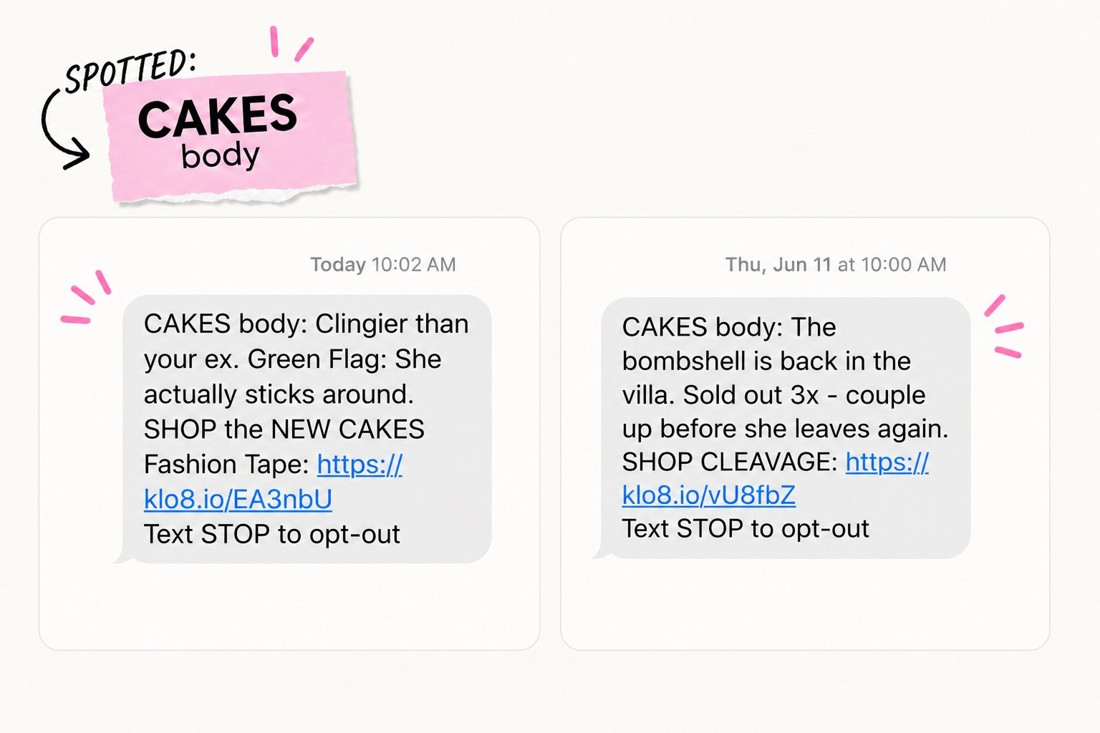
CAKES body writes texts like a group chat, not a brand. Clingier than your ex for fashion tape. The bombshell is back in the villa for a restock, with sold out 3x doing the urgency instead of a countdown.
Both land under 160 characters, both name the product, and the joke is the reason you read to the link. That is the bar for a channel sitting next to messages from your friends.
The Smart Marketer's Guide to SMS Marketing
Retention marketing isn’t just about keeping customers, it’s about creating relationships that drive revenue. And if you’re not using SMS to complement your email strategy, you’re leaving money on the table.
Let’s break down how SMS can elevate your retention game and why it’s a must have in your marketing toolkit.
Why SMS marketing works (and why it’s thriving)
SMS is an intimate channel, I mean it’s the same channel your shoppers use to chat with friends and family, after all. It’s like the VIP pass to your customers’ attention. Here’s why:
98% open rates. Almost everyone reads their texts. Compare that to email open rates, and you’ll see why SMS is a powerhouse.
Fast action. Most SMS messages are opened within 2 hours, or even 2 minutes, of being received. It’s perfect for time sensitive campaigns.
High conversions. SMS feels personal. It’s direct, immediate, and drives action. Whether it’s a flash sale or an abandoned cart reminder, SMS gets results.
But with great power comes great responsibility. And with SMS, it’s even more crucial to follow the fine print.
Starting smart with SMS: compliance first
Before you hit send, remember: SMS marketing requires consent.
Opt ins are non negotiable. The Telephone Consumer Protection Act (TCPA) requires explicit permission before sending texts.
S.H.A.F.T still exists. Same rules apply here as they do with your email marketing. Keep it clean.
Build your list wisely. Add SMS opt ins at checkout or use pop ups that offer discounts for signing up. Bonus points if you promote your SMS list through email campaigns.
Crafting SMS that converts
With only 160 characters, every word counts. Here’s how to make your texts irresistible:
Personalize it. Use your customer’s name or reference their recent behavior (like an abandoned cart).
Be direct. Don’t bury the call to action, make it clear what they need to do next.
Create FOMO. Limited time offers or early access are gold for SMS campaigns.
Use emojis (sparingly). A well placed emoji can boost engagement, but don’t overdo it.
Pro tip: test your SMS copy as much as you do your email subject lines. A/B testing works here too.
SMS + email = retention gold
Good on their own but even better together. The dynamic duo are great for building off one another especially for situations like:
Launch strategies. Start with an email tease for a new product. Use SMS for the big reveal and a direct link to buy.
Cart recovery. Email reminders work, but SMS makes it personal and urgent. Combine both for maximum recovery rates.
Post purchase magic. Use email for detailed receipts and SMS for quick thank yous or shipping updates.
When to use SMS vs MMS
Not every message needs to be flashy. Here’s how to decide. SMS is best for straightforward updates, reminders, and promotions. MMS is great for rich visuals, like a sneak peek of a new product or an exclusive event invite. Since MMS is pricier, reserve it for campaigns where the visual impact justifies the cost.
High impact SMS tactics you can steal
Abandoned cart nudges. Send a text 30 minutes after a cart is abandoned with a quick link to checkout.
Back in stock alerts. Let customers know when their favorite product is available again.
VIP early access. Reward your most loyal customers with secret sales or first dibs on product launches.
Avoiding the pitfalls
Overloading inboxes. No one likes daily texts. Stick to high value messages.
Generic messaging. If it feels like a mass text, it’s probably going straight to delete. Segment your audience.
Bad timing. Respect time zones and avoid late night or early morning messages.
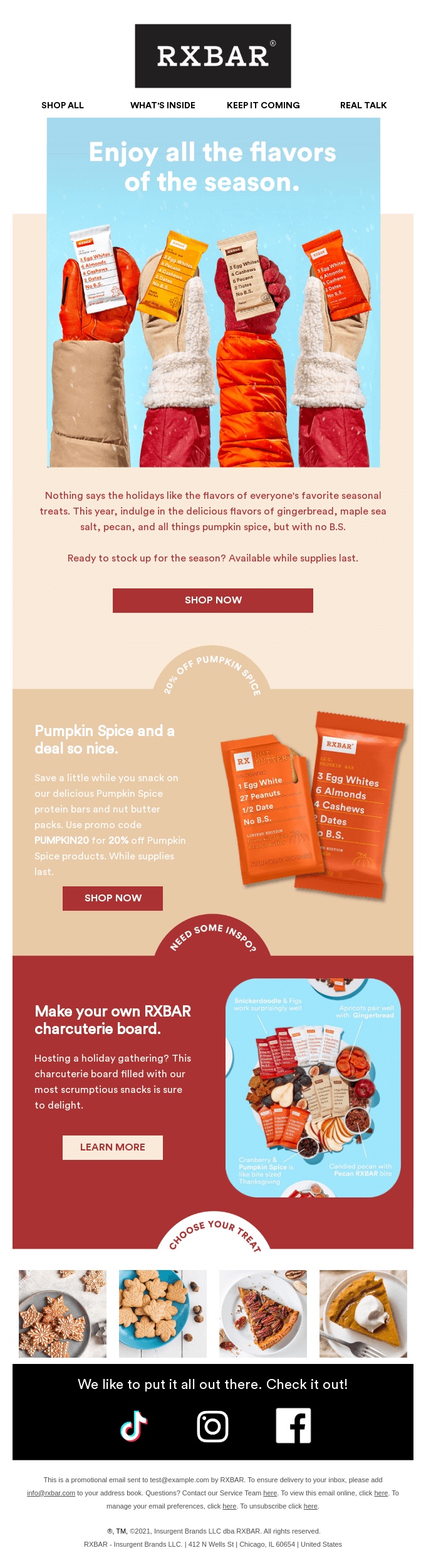
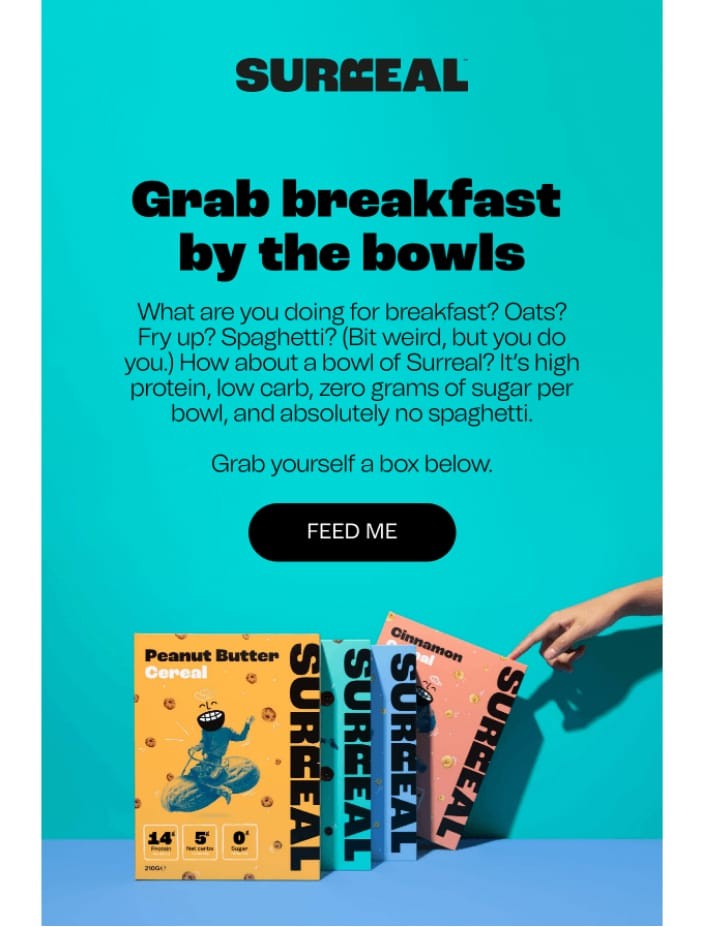
But arguably the biggest, most common mistake we see is brands using their SMS like their email. These two channels are meant to complement each other, not mimic each other. Use them in tandem for best results.
Retention is a marathon, not a sprint
The best retention strategies combine the immediacy of SMS with the depth of email. Together, these channels create an ecosystem that drives repeat purchases and customer loyalty.
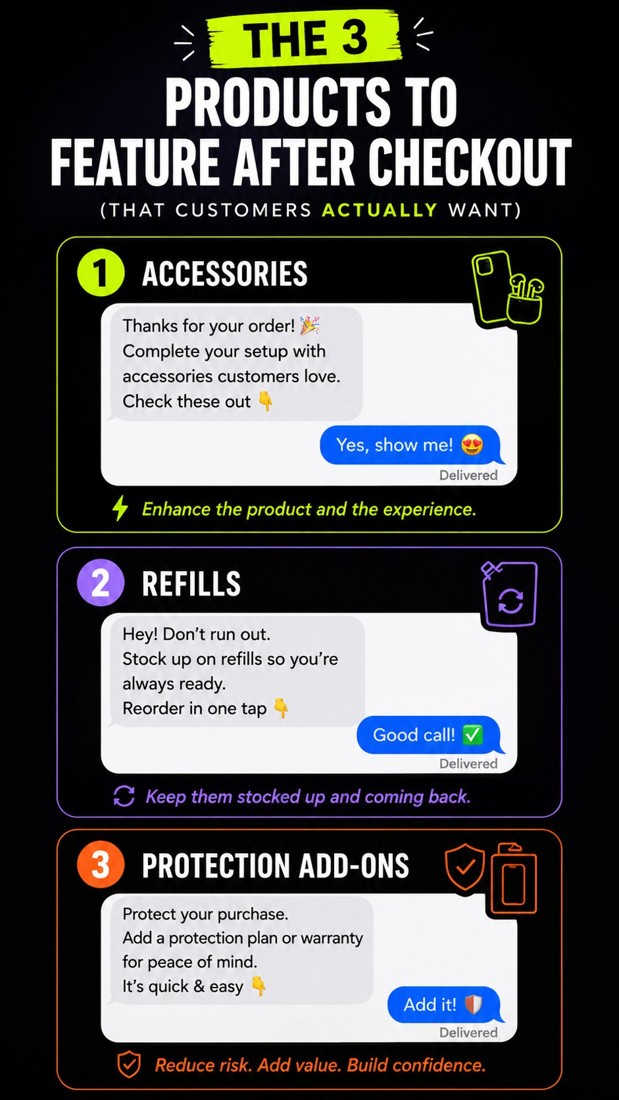
The order confirmation is the most opened email you send and it usually sells nothing. Three things people actually want in that moment: an accessory that completes the setup, a refill so they never run out, and a protection plan that takes the risk off the purchase they just made.