How to build an effective referral and rewards program
Merry day-after Christmas and happy Q5. We type this as we’re currently surrounded by heaps of wrapping paper, new Barbies and scooters zipping around the house.
We hope Santa was good to you and that you got to spend some good quality time with loved ones.
Now onto today’s goods…
Your best marketers aren’t influencers or ad agencies. They’re already buying from you.
The trick is giving them a reason (and a dead-simple way) to talk about your brand. Today’s breakdown walks through how to build a referral and rewards program customers actually want to use.
Let’s get into it.
When your data doesn’t connect, growth stalls.
MDigital spotted the problem fast. Customer actions lived in different systems, key moments weren’t triggering messages, and high-intent opportunities were slipping through the cracks. The result? Too much manual work and not enough revenue-driving automation.
So they built a custom integration and let Omnisend do what it does best: power real-time, behavior-based messaging.
The result:
70% open rates and 15–30% CTRs
422 previously inactive customers reactivated
Automated upsell + service flows generating revenue in days
Zero manual SMS sending for staff
👉 Read how MDigital turned operational chaos into a retention engine with Omnisend.
How to build an effective referral and rewards program: Turn subscribers into advocates
A great referral program doesn’t just bring in new customers. It creates brand champions; people who vouch for your brand because they genuinely want others to try it. And those customers are worth their weight in gold. Referred buyers usually come in with higher trust, higher intent, and higher LTV. They churn less. They convert faster. And they cost a fraction of what you’d pay through traditional acquisition.
But here’s the part most brands get wrong: a referral program isn’t something you “turn on.” It’s a system you build. It requires thoughtful incentives, clear messaging, clean integration across channels, and consistent nurturing.
Today, we’re covering five strategies to build a referral engine that actually works AND keeps advocates engaged long after the first reward hits their inbox.
1. Design a reward structure people actually want to participate in
Your referral program lives or dies by its incentive structure. If people don’t understand it or don’t care about the reward, they won’t share. It’s that simple.
To get this right:
Use double-sided rewards so both the referrer and the friend benefit
Offer progressive incentives to encourage repeat sharing
Give advocates access to things nobody else gets (early drops, VIP gifts, exclusive merch, loyalty perks)
Model the economics before launch so rewards align with your margins
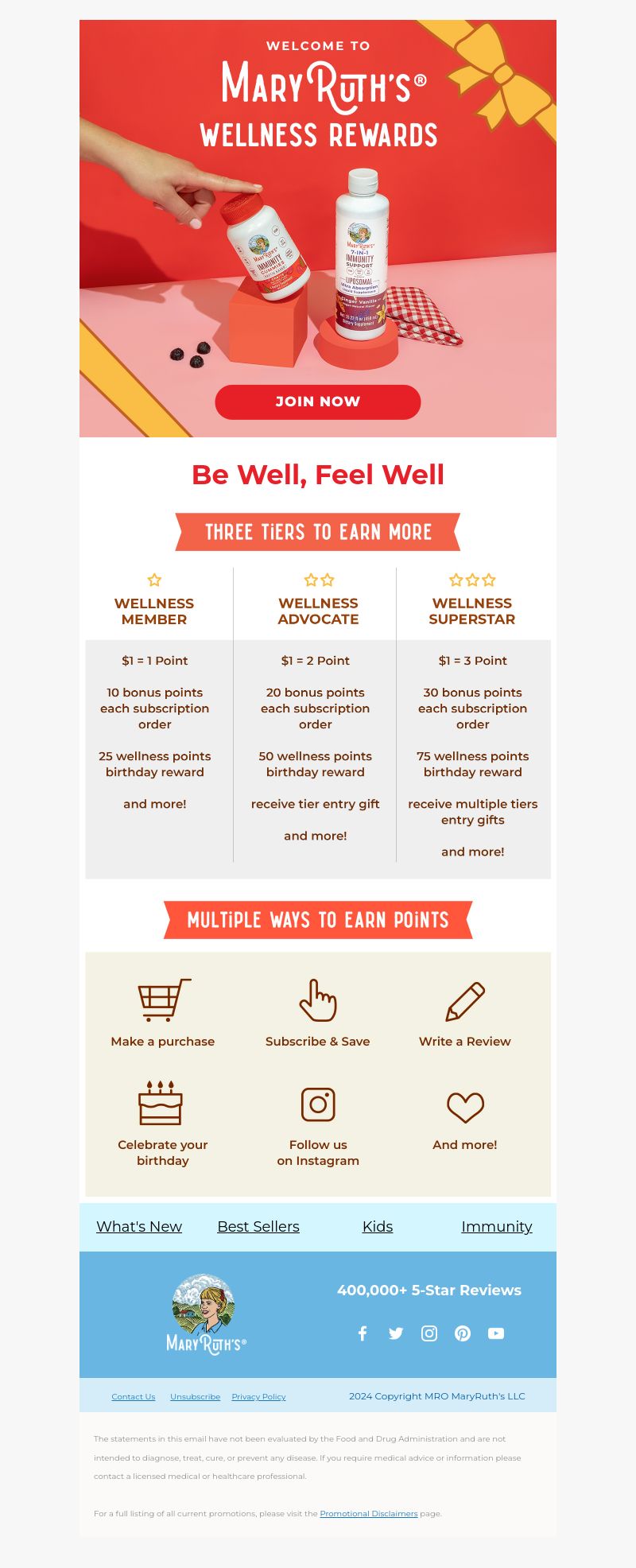
And most importantly: keep it stupid simple. If someone can’t explain your program in one sentence, it’s too complicated.
2. Use email and SMS to introduce, educate, and consistently promote the program
Referral programs don’t grow on their own. They need distribution; and your email and SMS lists are the perfect place to start.
Here’s how to integrate them:
Launch with a dedicated announcement campaign (tell them what it is, how it works, why it matters)
Add referral CTAs into post-purchase and shipping confirmation emails
Use automated reminders that surface referral opportunities at the right time (like after a positive review or repeat purchase)
Send seasonal or event-based referral pushes when customers are already in a gifting or sharing mindset
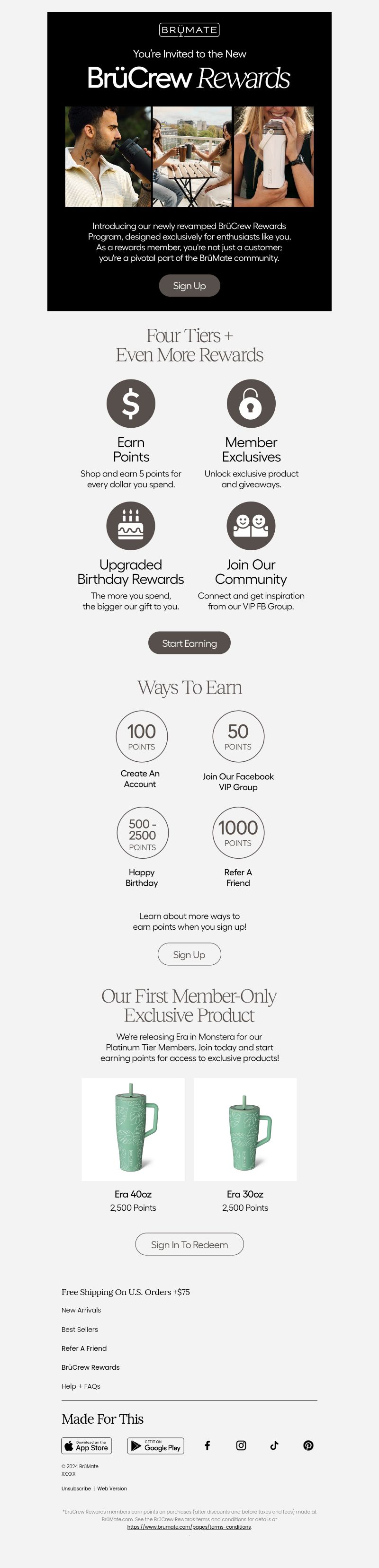
Consistent exposure matters. Most people don’t join a referral program the first time they see it. But after a few reminders, the value becomes obvious.
3. Make social sharing effortless and rewarding
The easier it is to share, the more often it happens. Your referral program should make customers feel proud to talk about your brand, not like they’re doing you a favor.
To amplify advocacy:
Give customers fun, on-brand content to share (UGC prompts, templates, challenges)
Use hashtags and social moments to unify messaging
Reward social shares separately from referrals to boost participation
Create public recognition opportunities for top advocates
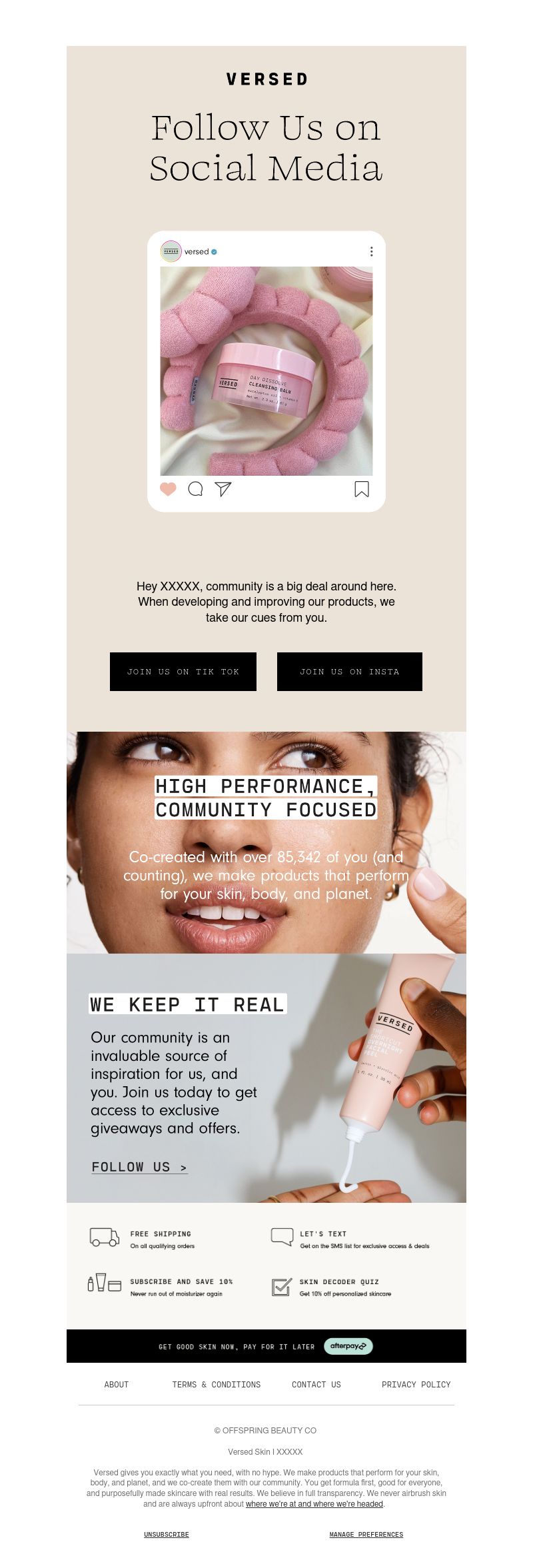
People love sharing things that reflect their identity. So make your referral program something customers want to associate with.
4. Track what matters and optimize as you go
The biggest reason referral programs stall isn’t the idea, it’s the lack of visibility. Without good tracking, you can’t see what’s working well enough to scale it.
Focus on:
Referral conversion rate
Quality of referred customers
Time to second purchase
LTV compared to non-referred buyers
Cost per referral versus paid channels
Then test your way to clarity:
Try different reward levels
Swap messaging and positioning
Test urgency vs evergreen
Test where referral prompts live in your flows
Small tweaks often unlock big jumps in participation.
5. Build a community that makes people want to advocate naturally
A strong referral engine isn’t built on discounts alone. It’s built on belonging. The more connected customers feel to your brand, the more naturally they share it.
You can strengthen community by:
Recognizing top advocates publicly
Creating exclusive spaces (FB groups, Discord, VIP tiers)
Hosting digital or in-person events
Giving advocates “insider” status with early access or private launches
Treating them like partners, not promo vehicles
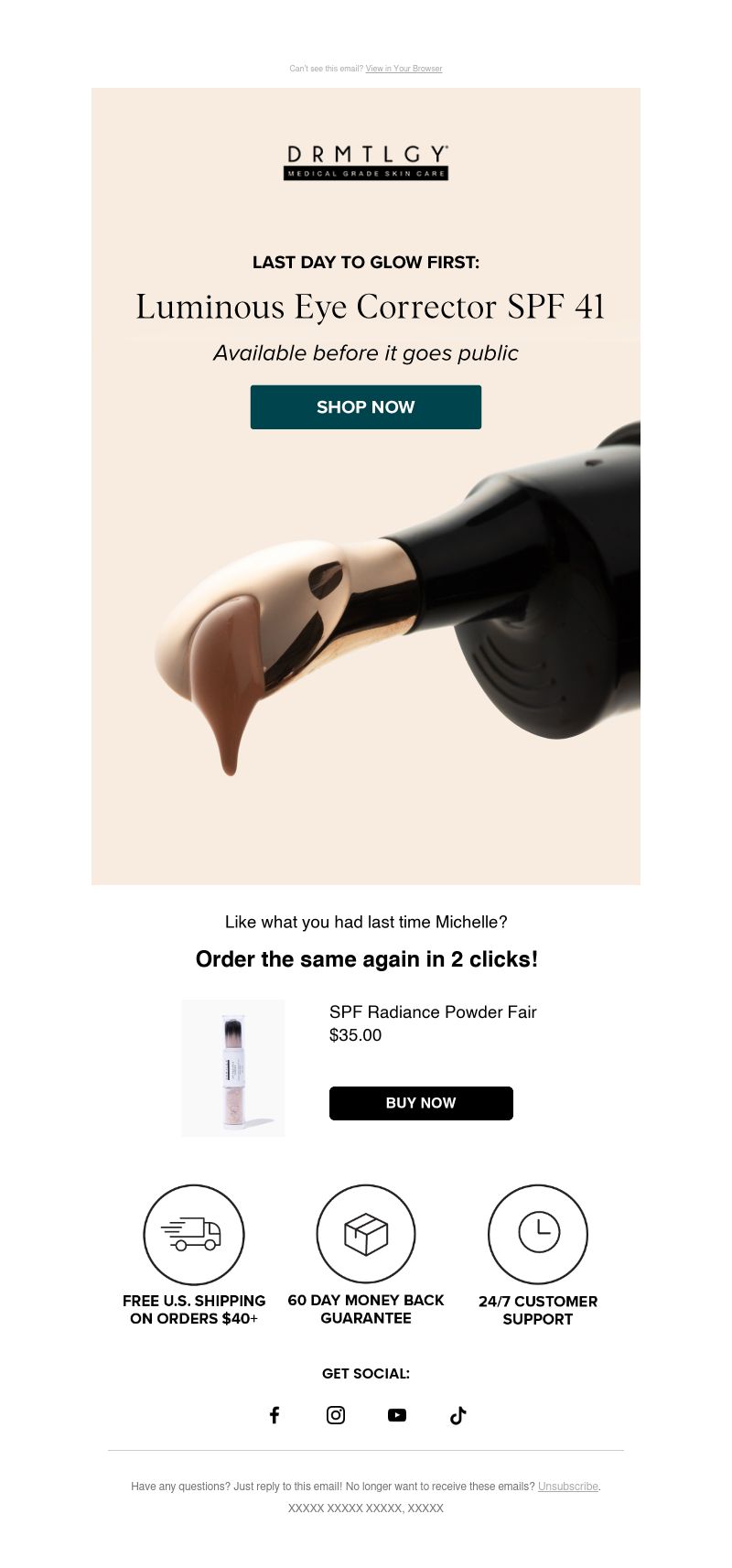
When customers feel like they’re part of something, their advocacy becomes instinctual, not incentivized.
Build relationships, not just referrals
Great referral programs don’t rely on gimmicks. They’re built on trust, connection, and genuine enthusiasm for your brand. Discounts get people in the door, but relationships keep them engaged.
If you create an experience your customers love (and give them a simple, rewarding way to share it) you’ll build something far more powerful than a referral system.
You’ll build a community that fuels your long-term growth.
Up next on Send It: The secrets behind the click and why click tracking is so important
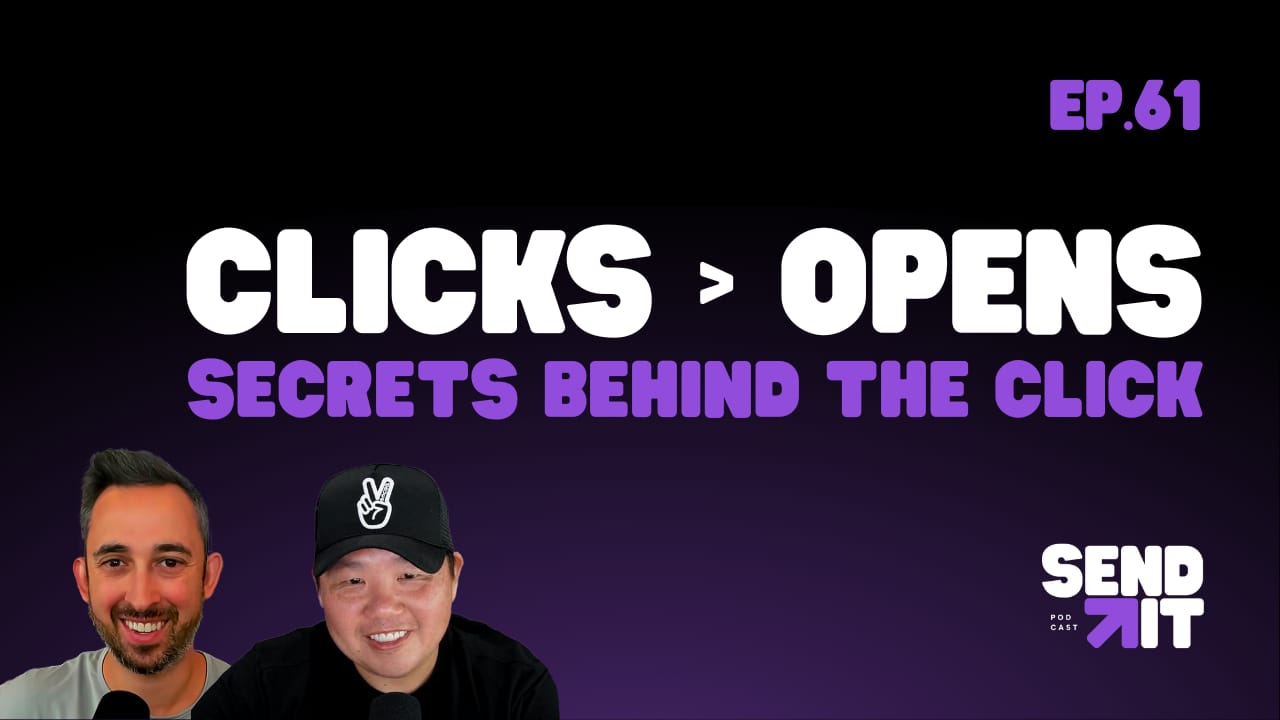
Not every click means what you think it does.
Bots? Accidents? How can you tell the difference?
In next week’s Send It episode, we break down why most brands are optimizing for the wrong clicks… and how to fix it. Plus, we walk through the 4 types of clicks, what your ESP isn’t telling you, and the playbook we use to track real engagement (not just inflated numbers).
🛎️ Subscribe to the channel and tap the bell to catch every new drop.
DTC Wins:
While some whiskey producers pulled back in 2025, Brother’s Bond Bourbon accelerated international expansion, supported by a $7.5M investment earlier this year. Founded by The Vampire Diaries stars Ian Somerhalder and Paul Wesley, the brand expanded across Europe and Asia, gained traction in duty-free channels, and stacked up major industry awards; proving this reunion is built on more than nostalgia.