How to Build Customer Loyalty Without Discounting Your Brand...
You've probably noticed it: revenue dips, so you run a sale. The sale works, revenue comes back. Then it dips again a few weeks later, so you discount again.
Before you know it, you're stuck in a cycle where customers only buy when things are on sale, your margins are shrinking, and you're spending more on acquisition just to replace the people who leave the second someone else offers a better deal.
That's not building a brand. That's renting revenue.
The alternative isn't to never discount. It's to build loyalty in ways that don't depend on slashing prices – status-driven loyalty programs, exclusive early access, bundles that solve problems, content that drives engagement, and service that makes buying from you easier than anyone else.
Today we're breaking down five frameworks to build customer loyalty without discounting your brand into the ground.
Let’s dive in.
What 1.24 billion popup displays tell you about list growth

Omnisend just dropped their 2025 popup performance report, and the numbers are worth your time. If you're running the same static popup you set up last year, this data makes a strong case for a refresh.
Key findings:
Gamified popups (Wheel of Fortune) convert at 3.5% vs 2.0% for standard formats
The timing sweet spot is a 6-10 second delay, not instant
Desktop-only popups lag at 1.4% vs 2.2% for mobile-optimized
Adding a discount lifts conversion by 41%
How to Build Customer Loyalty Without Discounting Your Brand Into the Ground
Discounts are tempting. They're easy to set up, they drive immediate sales, and they make you feel like you're doing something when revenue dips.
But here's what they actually do: train your customers to wait for the next sale, erode your profit margins, and turn your brand into a commodity where price is the only thing that matters.
If you're stuck in a cycle of constant discounting, you're not building a brand. You're renting revenue from people who'll leave the second someone else offers a better deal.
Here's how to break that cycle and build loyalty that doesn't depend on slashing prices.
Stop renting revenue and start building value
Let's be clear about what discounting actually costs you.
Every time you run a sale, you're teaching customers that your products aren't worth full price. They learn to wait. They learn to expect 20% off, then 30%, then 40%. And eventually, your margins are so thin that you can't afford to acquire new customers or invest in product development.
You end up in a trap: you need sales to hit revenue goals, so you discount. Discounting trains customers to wait for sales. So you have to discount more often. And the cycle continues until you're barely profitable.
The alternative isn't to never discount. It's to build value and loyalty in ways that don't depend on price cuts. When customers buy from you because they value what you offer, not just because it's on sale, you've built something sustainable.
Here are five frameworks to do that.
Framework 1: Build a loyalty program that creates status, not just points
Most loyalty programs are boring. Earn points, get a discount. It's just another form of discounting with extra steps.
The loyalty programs that actually work create status and exclusivity. They make customers feel like insiders, not just people collecting points toward $5 off.
Here's what that looks like:
Tier-based status. VIP, Gold, Platinum. Give each tier visible benefits that increase as customers move up. This creates a reason to keep buying beyond just earning points.
Early access to new products. Let loyalty members shop new releases 24-48 hours before the general public. Exclusivity drives purchases without discounting.
Member-only product drops. Release special editions or limited colorways exclusively for loyalty members. This makes membership feel valuable, not transactional.
Experiential perks. Invite top-tier members to exclusive events, give them behind-the-scenes access, or feature them on your social channels. Recognition and experience create emotional loyalty that discounts never will.
The goal is to create value that money can't buy. When customers feel like members of something exclusive, they'll pay full price to maintain that status.

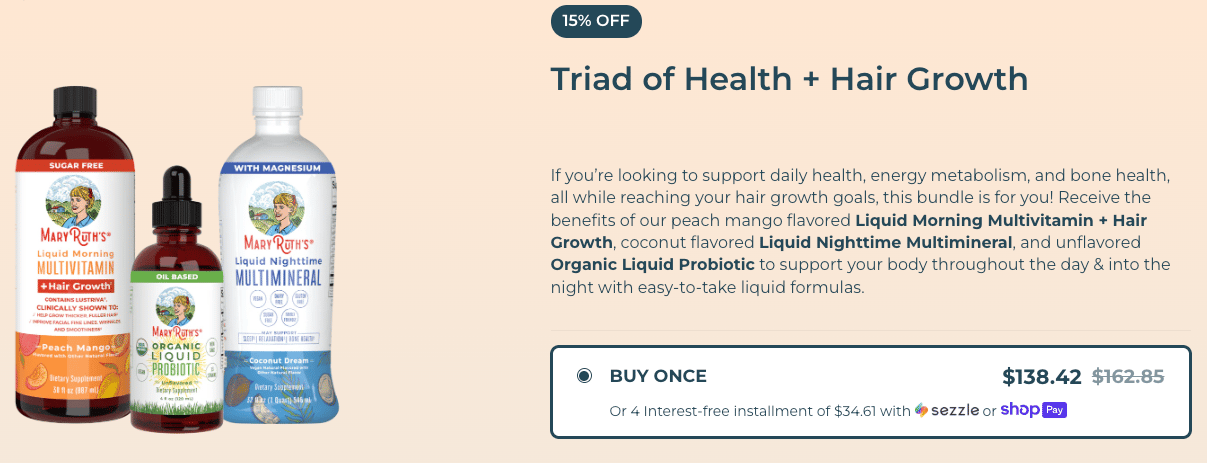
Framework 2: Bundle products into solutions, not random collections
Bundles can increase average order value without discounting, but most brands do them wrong.
Don't just throw unrelated products together and call it a bundle. Build bundles that solve a problem or complete an experience.
Starter bundles for new customers. Include everything someone needs to get started with your product. This reduces decision fatigue and increases the likelihood they'll actually use what they buy (which drives retention).
Routine bundles for existing customers. Help customers build habits by bundling products that work together in a daily or weekly routine. Skincare brands do this well (morning routine, night routine). It works for any consumable category.
Restock bundles for consumables. Make it easy to replenish everything at once. If someone buys the same three products every month, bundle them and offer a subscription. Convenience drives repeat purchases.
The key is solving a need or making something easier. When bundles feel curated and intentional, customers perceive more value without you dropping the price.
Framework 3: Use exclusivity and early access instead of discounts
Exclusivity creates urgency without cutting your margins.
People don't want to miss out on something limited or special. That fear of missing out (FOMO) is just as powerful as a discount, but it doesn't train customers to wait for sales.
Here's how to build exclusivity into your strategy:
Create an insider list. Segment your VIPs and most engaged customers into a separate list. Give them first access to new products, restocks, or limited releases.
Tease upcoming drops. Build anticipation before a product launches. Show behind-the-scenes content, share the story behind the product, and create excitement before it's even available.
Open a short early access window. Give insiders 24-48 hours to shop before you release to the general public. Frame it as a reward for being part of the community, not just a sales tactic.
Share post-drop recaps. After a launch, email your list with what sold out and what's coming next. This reinforces FOMO and keeps people engaged for future releases.
Exclusivity works because it taps into status and belonging. Customers want to be part of the group that gets access first. That's a stronger motivator than saving 15%.

Framework 4: Deliver value through content that drives engagement
Content isn't just for attracting new customers. It's one of the most underutilized retention tools in ecommerce.
When you help customers get more value from what they've already bought, they're more likely to buy again. And the best part? Content costs almost nothing compared to discounting.
Here's what works:
How-to guides and tutorials. Teach customers how to use your products effectively. The more they use your product, the more likely they are to repurchase or recommend it.
Routine builders. Send periodic emails or SMS that help customers build habits around your product. "Week 1: Start with this. Week 2: Add this step." Habit-building creates long-term retention.
Use case education. If someone bought a specific product, send them content about how to get the most out of it. Personalized education feels valuable and keeps your brand top of mind.
Community spotlights. Feature real customers and their results. User-generated content builds social proof and creates a sense of community that keeps people engaged.
Content like this creates "micro wins" for your customers. Every small success they have with your product strengthens their relationship with your brand. That's retention gold.

Framework 5: Win on convenience and service, not price
Convenience and exceptional service create loyalty that discounts can't touch.
When you make it easier to buy from you than from anyone else, price becomes less important. When your customer service is genuinely better, people will pay more to avoid dealing with a competitor's terrible support.
Here's how to build this into your retention strategy:
Smart replenishment reminders. If someone bought a 30-day supply of something, email or text them around day 25 with a reorder reminder. Make it one-click easy to repurchase.
One-click reorder options. Save their previous orders and let them reorder with a single tap. Eliminate every bit of friction from the repurchase process.
Priority support for VIP customers. Give your best customers faster response times, dedicated support channels, or direct access to your team. This makes them feel valued beyond just being a source of revenue.
Fast shipping and easy returns as permanent perks. Don't make these sale-only benefits. Offer them to loyalty members or above a certain spend threshold. Convenience should be a competitive advantage, not a promo.
When buying from you is easier and more pleasant than buying from anyone else, customers will stick around even if your prices are higher. Convenience is worth paying for.
What loyalty without discounting actually looks like
Building loyalty without constant discounting isn't about never running a sale. It's about creating value in ways that don't train customers to only buy when things are on sale.
When you do it right, you'll see:
Customers buying at full price because they value what you offer, not just the discount
Repeat purchase rates climbing because people are engaged and loyal, not just price-sensitive
Higher average order values because you're selling solutions and bundles, not just individual products
Better profit margins because you're not constantly cutting prices to hit revenue goals
Here's what to focus on:
Build loyalty programs around status and exclusivity, not just points toward discounts
Create bundles that solve problems and make purchasing decisions easier
Use exclusivity and early access to create urgency without discounting
Deliver value through content that helps customers get more from your products
Win on convenience and service so price becomes less important
Discounting is the easy option. It's also the lazy option. And in the long run, it's the option that kills your margins and turns your brand into just another commodity.
The brands that build real loyalty do it by creating value that goes beyond price. They make customers feel like insiders. They solve problems. They make buying easy and enjoyable. And they prove over and over again that their products are worth full price.
That's how you build a sustainable brand instead of just renting revenue from people who'll leave the second a better deal comes along.
Stop reading about retention. Come learn it in person.

The Retention Roadshow is hitting four cities this summer. Not a conference with 47 panels. Not a webinar you'll half-watch. A one-day, hands-on workshop capped at 75-100 people per city so it stays useful.
What you'll get:
Tactical sessions on email, SMS, and lifecycle marketing
Interactive workshops where you apply what you learn
Structured networking with other retention marketers
Breakfast and lunch included
NYC (June 5) / Miami (June 8) / LA (June 10) / Austin (June 12)
Use code ROADSHOW20 for 20% off tickets.
Quick Clips:
The habit loop is the new growth hack: The fastest-growing retail brands aren't chasing viral moments, they're engineering repeat behavior. Comfrt (+330%), Quince (+138%), and Depop (+68%) are all winning by reducing friction and making return visits easier than starting over. If your brand still relies on seasonal campaign spikes, you're playing last year's game.
Diversity drives the product line: Over the years Stanley 1913 has used diverse partnerships and inclusive storytelling to fuel product expansion. From women's sports deals with Caitlin Clark and Togethxr to geography-specific designs for different community lifestyles the brand is letting diversity of audience shape diversity of product. It's how a 113-year-old tumbler company stays culturally relevant.
AI shopping has a trust problem. 75% of Americans say they'd trust AI shopping less if results were sponsored, per a new Quad/Harris Poll survey. Consumers want AI to reduce purchase risk and spot pricing inconsistencies, not steer them toward the highest bidder. Only 39% trust AI agents to make everyday purchases. For brands betting on AI commerce, the trust gap is the real conversion problem.
Unilever wants its daily greens. The CPG giant is acquiring Gruns, the DTC supplement brand that's hit 1M+ customers and landed at Target, Walmart, Costco, and Sprouts since launching in 2023. Another signal that legacy players are buying their way into wellness rather than building from scratch.


