Why your upsell emails aren't working (And how to fix them)
50 campaigns, 130+ pages of welcome flows, and 10 copywriting frameworks. Everything you need to stop guessing and start driving retention. → Unlock the Vault
Upsell emails should be one of your strongest revenue drivers. You're selling to people who already trust you, know your products, and have given you their money before.
But we see brands get this wrong all the time. They blast generic product recommendations to everyone, ignore timing and context, and wonder why people ignore the emails or worse, unsubscribe.
The difference between upsells that work and upsells that annoy comes down to segmentation, timing, and making the offer feel like a natural next step instead of a sales pitch.
Today we're breaking down how to build an upsell strategy that actually drives revenue without burning out your list.
Let’s get into it.
Abandoned cart emails getting opened but not converting? Here's the fix.
If people are opening your cart recovery emails but not buying, the problem isn't your offer; it's that your emails are forcing shoppers to rethink a decision they already made. This Omnisend video breaks down three upgrades that remove hesitation and make finishing the purchase feel effortless.
What you'll learn:
Why a 2-3 email series works better than one-shot reminders (and the exact timing framework to use)
How to design cart emails that feel like shortcuts to checkout, not sales pitches
When to use urgency, social proof, and incentives w/o breaking trust
Why your upsell emails aren't working (And how to fix them)
Upsell emails are one of the most underutilized tools in retention marketing. When they're done right, they tap into your existing customer base, increase average order value, and turn one-time buyers into repeat customers.
When they're done wrong? They feel pushy, irrelevant, and like you're just trying to squeeze more money out of people.
The difference comes down to segmentation, timing, and personalization. Here's how to build an upsell strategy that works.
What upsell emails actually are (and why they matter)
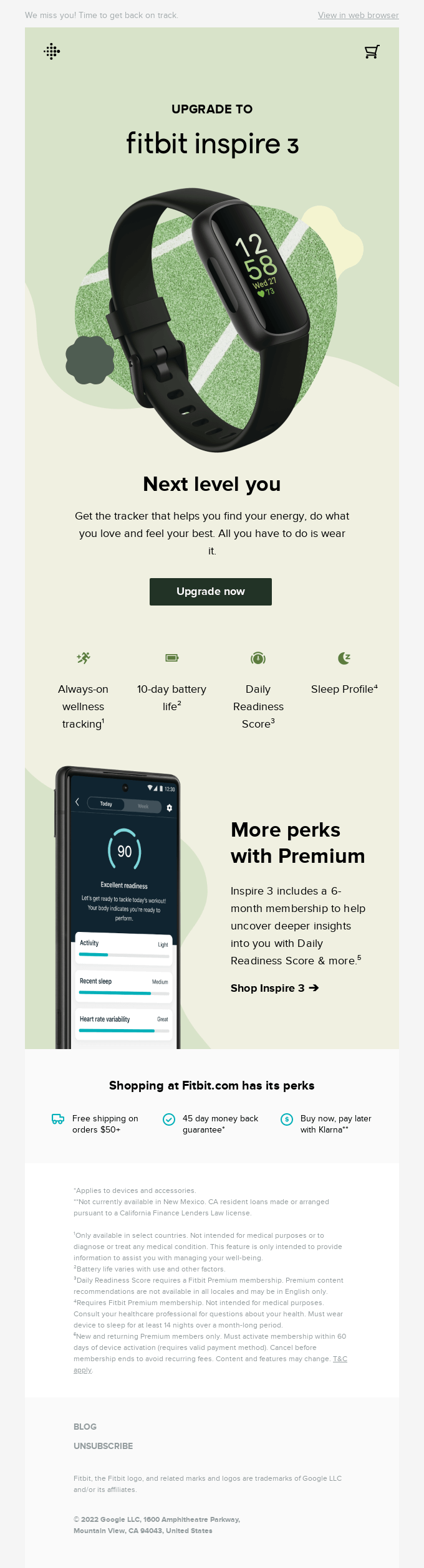
An upsell email encourages customers to buy a more expensive or premium version of something they've already purchased. Think upgrading from a basic plan to a premium one, or moving from a starter set to the full collection.
These emails work because you're selling to people who already trust you. They've bought from you before. They know your product quality. The friction is lower than it would be with a cold prospect.
And the numbers back it up. Increasing customer retention by just 5% can boost profitability by up to 75%. Your existing customers are already your best revenue opportunity. Upsell emails help you capitalize on that.
Upsell vs. cross-sell (and when to use each)
These terms get used interchangeably, but they're different strategies.
Upsell emails promote a premium upgrade or higher-value version of what someone already bought. Think deluxe subscriptions, larger sizes, or advanced features.
Cross-sell emails recommend complementary products that enhance the original purchase. If someone bought a razor, you'd cross-sell shaving cream or aftershave.

Both work. But upsells typically drive higher AOV because you're moving customers up a pricing tier, not just adding a $10 accessory.
The segmentation that makes upsells work
Generic product recommendations don't convert. Upsells work when they feel relevant, timely, and like a natural next step.
That means you need to segment based on behavior, not just demographics. Here's what to look at:
Engagement level. Highly engaged customers (people who open your emails, click your links, browse your site) are more likely to buy again. Prioritize them.
Previous purchase behavior. If someone bought winter gloves, they might want a winter coat. Use purchase history to inform what you offer next.
Purchase frequency. Customers who buy often are easier to upsell than one-time buyers. They're already in the habit of shopping with you.
Product usage signals. For subscription or software brands, look at usage data. If someone's hitting account limits or using advanced features, they're ready for an upgrade.
Satisfaction indicators. Happy customers spend more. Use post-purchase surveys, reviews, or NPS scores to identify your most satisfied buyers and target them with upsells.
Start with these segments, then refine based on what actually drives conversions in your customer data.
Timing your upsell emails for maximum impact
When you send an upsell matters as much as what you send.
Here's when upsells tend to work best:
Right after a purchase. Customers are already in buying mode. A well-timed upsell email within 24-48 hours can capitalize on that momentum without feeling pushy.
When engagement is high. If someone's actively browsing your site, opening your emails, or engaging with your content, they're more receptive to an offer.
At natural upgrade points. For consumables, this might be when they're due for a restock. For subscriptions, it's before renewal. For software, it's when they hit usage limits.
During high-intent moments. Black Friday, product launches, or seasonal peaks are all opportunities to introduce premium options to customers who are already shopping.
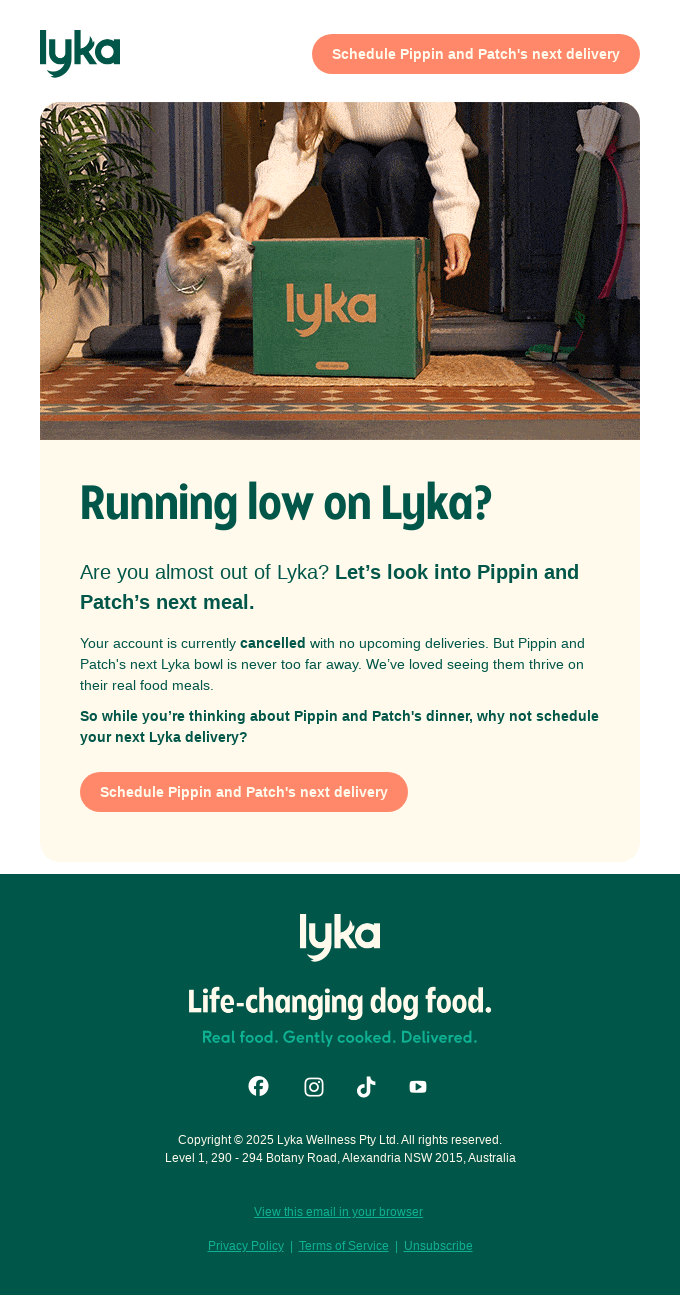
Bad timing kills even the best offers. Don't send upsells to someone who just complained about their order or requested a refund. Context matters.
Personalization goes beyond using someone's name
Personalization in 2026 isn't about mail-merging a first name into your subject line. It's about making the offer feel like it was built for them.
Here's what that looks like:
Reference their actual purchase. "You bought the starter kit. Ready for the full collection?" is way more compelling than "Check out our best-sellers."
Tie the upsell to their goals or preferences. If someone bought running shoes, upsell performance gear for runners. Don't just recommend random apparel.
Use dynamic content based on their tier or status. VIP customers should see different offers than first-time buyers. Tailor the messaging, the discount, and even the product selection.
Show them the value, not just the price. Instead of "Upgrade to Premium for $49/month," try "Get unlimited access, priority support, and exclusive features for $49/month." Make the benefit clear.
The more the upsell feels like a logical next step (not a sales pitch), the better it performs.
Use AI to scale personalized product recommendations
Here's where AI actually earns its keep in upsell strategy: helping you surface the right product recommendations at scale.
Instead of manually mapping out every possible upsell path, AI can analyze purchase patterns, browsing behavior, and customer attributes to predict what someone's most likely to buy next.
Where AI helps with upsells:
Product recommendation engines. AI can identify which premium products or upgrades are statistically most likely to convert based on a customer's purchase history and behavior. This goes beyond "customers who bought X also bought Y" and gets into predictive modeling.
Dynamic content personalization. Use AI to automatically populate upsell emails with the right products for each segment. Someone who bought skincare gets skincare upsells. Someone who bought supplements gets supplement upgrades. No manual work required.
Copy variation at scale. AI can help you test multiple versions of upsell messaging to see what resonates with different segments. Instead of writing 10 variations yourself, let AI draft options, then refine the winners in your voice.
Optimal send time prediction. AI can analyze when individual customers are most likely to engage and schedule upsell emails accordingly. Someone who opens emails at 7am gets their upsell then. Someone who engages at 9pm gets it later.
Where AI falls short (and where you still need humans):
AI can't understand the nuance of your brand voice or make strategic calls about which upsells align with your positioning. It also can't read customer sentiment the way a human can. If someone's frustrated or recently had a service issue, AI won't necessarily catch that context.
Use AI to handle the data-heavy work (recommendations, timing, testing). Use your judgment to ensure the strategy, tone, and customer experience stay on brand.
Write CTAs that actually drive action
Your call-to-action can make or break the conversion. Here's what works:
Be specific, not vague. "Upgrade My Plan" is better than "Learn More." Tell people exactly what happens when they click.
Make it personal. "Upgrade My Box" or "Complete My Set" feels more customer-centric than "Shop Now."
Create urgency without being manipulative. "Upgrade before your renewal" or "Limited stock on premium kits" works better than fake countdown timers.
Keep it simple. One clear CTA per email. Don't give people five different options and expect them to choose.
Test your CTAs. Small changes in wording can have a massive impact on click-through and conversion rates.
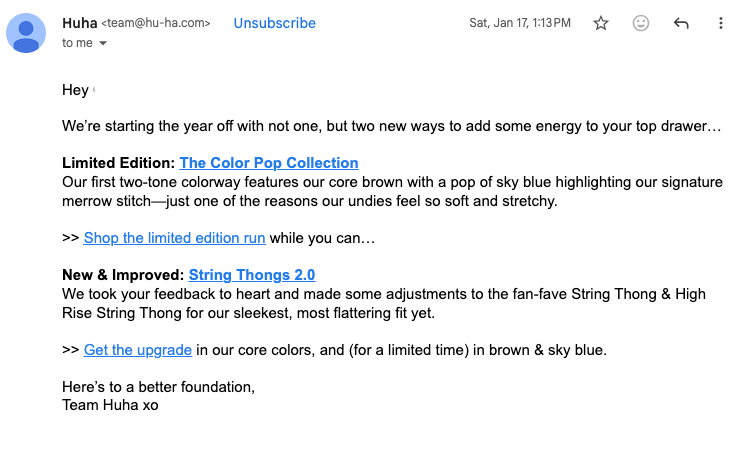
Add social proof to reduce hesitation
Even loyal customers hesitate before spending more. Social proof helps overcome that.
Include:
Customer reviews or ratings for the upsell product
Testimonials from people who upgraded and loved it
Usage stats like "Join 10,000+ customers who've upgraded to Premium"
Before-and-after comparisons that show the difference between the basic and premium versions
Social proof works because it shifts the decision from "Should I trust this brand?" to "Other people like me made this choice and it worked out."

Use automation to scale upsells without losing personalization
You don't need to manually send every upsell email. Build automated flows triggered by behavior:
Post-purchase upsell flow. Triggered 24-48 hours after someone's first order. Introduces premium options or bundles.
Repeat buyer upsell flow. Triggered after someone's second or third purchase. Offers loyalty perks, subscription upgrades, or VIP access.
Usage-based upsell flow. For subscription or software brands, triggered when someone hits a usage threshold. Encourages them to upgrade before they hit a limit.
Restock reminder with upsell. Triggered when someone's due for a refill. Includes an option to upgrade to a larger size or premium version.
Automation lets you reach the right people at the right time without manual effort. Just make sure the messaging still feels personal, not robotic.
Track the metrics that actually matter
Don't just measure open rates. Track the metrics that tell you whether your upsells are working:
Conversion rate (how many people clicked and bought)
Revenue per email (total revenue divided by emails sent)
Average order value (are upsells actually increasing AOV?)
Customer lifetime value (are upsell buyers becoming more valuable over time?)
Unsubscribe and complaint rates (are you pushing too hard?)
If your upsell emails are driving revenue but also increasing unsubscribes, you need to dial back the frequency or improve the relevance.
Avoid the mistakes that kill upsell performance
Even well-intentioned upsell strategies can backfire. Here's what to avoid:
Upselling too soon. Don't pitch a premium upgrade before someone's even received their first order. Let them experience the product first.
Ignoring customer sentiment. If someone just had a bad experience, now's not the time to upsell. Fix the issue first.
Being too aggressive. Sending upsell emails every week burns out your list. Space them out and make sure each one adds value.
Offering irrelevant products. If your segmentation is off, your upsells will miss. Test, refine, and keep improving your targeting.
Forgetting to exclude recent buyers. If someone just upgraded, don't keep sending them upgrade emails. Use smart suppression logic.
Turn upsells into a long-term retention strategy
Upsell emails aren't just about squeezing more revenue out of one transaction. They're about deepening the customer relationship.
When someone upgrades to a premium product or larger plan, they're more invested in your brand. They're more likely to stick around, buy again, and become advocates.
Here's what to remember:
Segment based on behavior, not just demographics
Time your upsells around high-intent moments
Personalize the offer so it feels relevant, not random
Write clear, action-oriented CTAs
Use social proof to reduce hesitation
Automate strategically without losing the human touch
Track revenue and LTV, not just opens and clicks
Avoid being too aggressive or tone-deaf
Get this right, and upsells become one of your most reliable revenue drivers. Get it wrong, and you'll just annoy the customers who were already loyal.
The difference is strategy, not luck.
Knowledge drop:
Excitement drops the moment shoppers hit checkout. Jimmy explains why customers switch into “risk mode” and how resolving fear (not pushing harder) can improve conversions.
DTC wins:
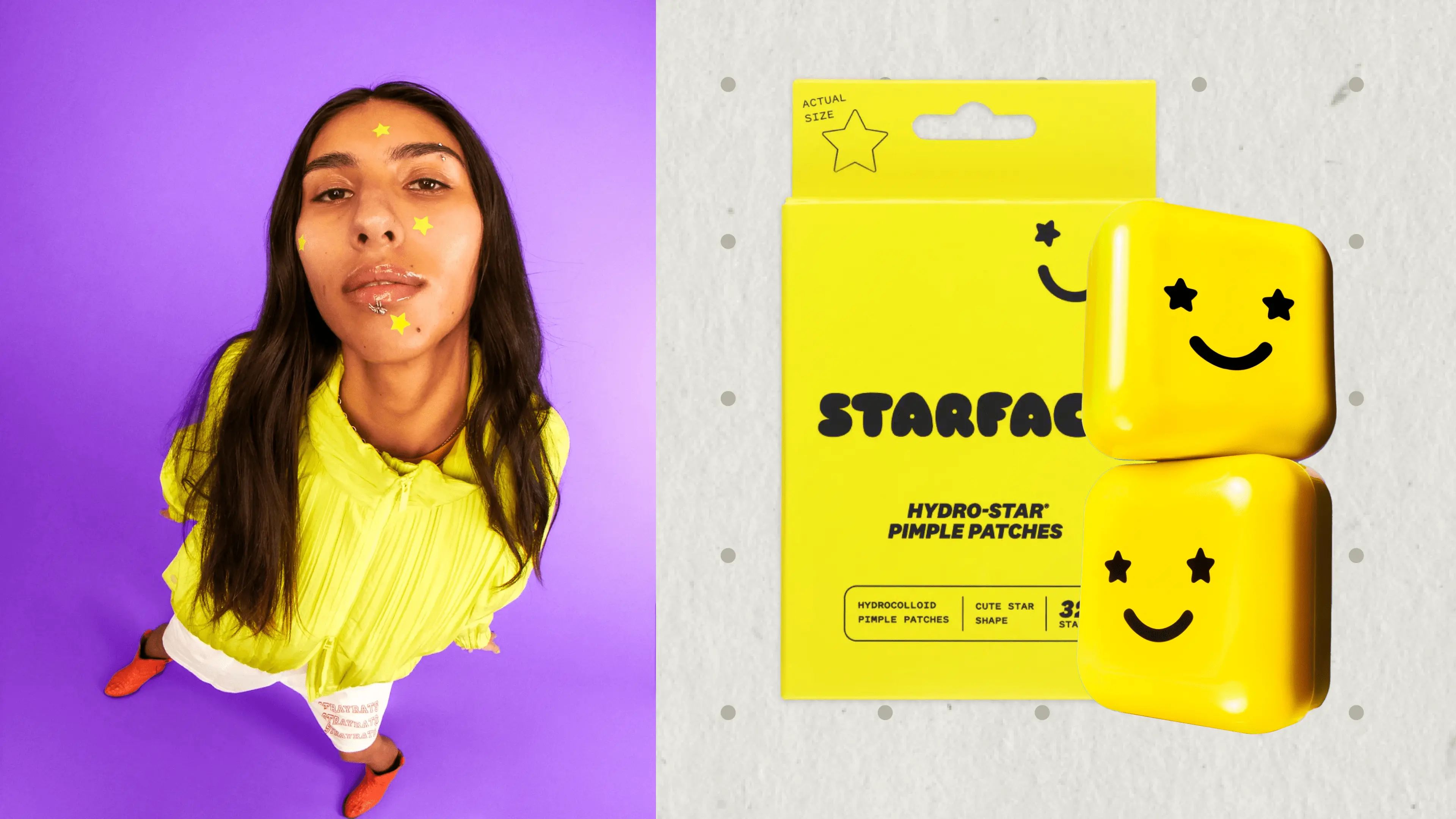
Acne-care brand Starface World secured a $105M growth investment led by Astō Consumer Partners. Known for its bright Hydro-Star pimple patches, Starface turned acne care into a visible, expressive accessory instead of something to hide. Founders Julie Schott and Brian Bordainick will continue leading the brand as it scales the playful, community-driven approach that helped it redefine the category.